Sublimation Printing
In sublimation, heat turns special ink into a gas that bonds with polyester or a polymer coating. The image becomes part of the surface rather than sitting on top.
Sublimation printing is the method to choose when a design is colourful, detailed or meant to cover the whole surface. The artwork is printed onto transfer paper with sublimation inks, then pressed onto the item under heat. The ink turns into a gas and bonds with polyester fibres or with a special polymer coating, so the image does not form a layer you can feel. For dye sublimation printing on fabric or on ceramic mugs, it delivers photo-quality colour with no extra cost per colour.
Which materials suit sublimation printing
Sublimation only works on light-coloured polyester or on items with a sublimation coating. In practice that means:
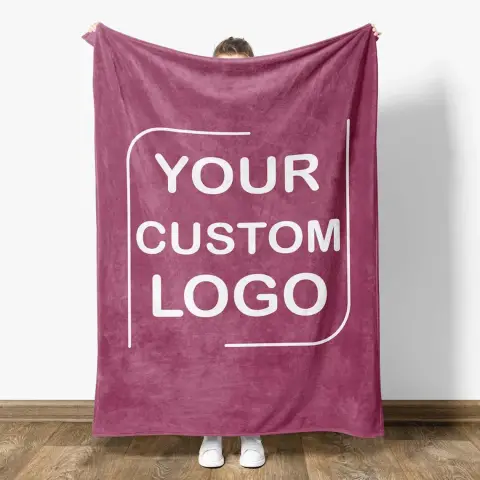
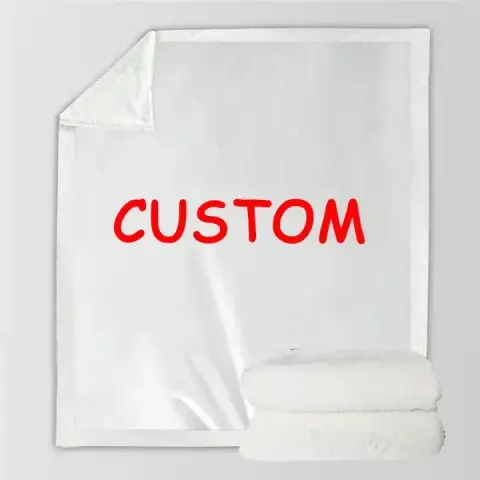
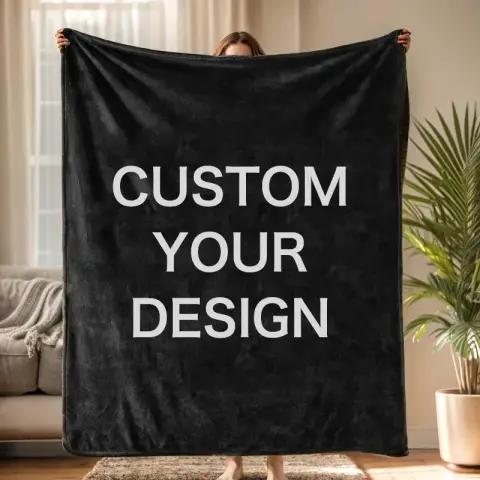
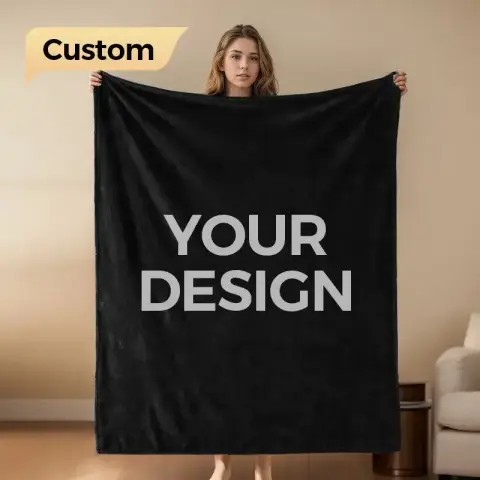
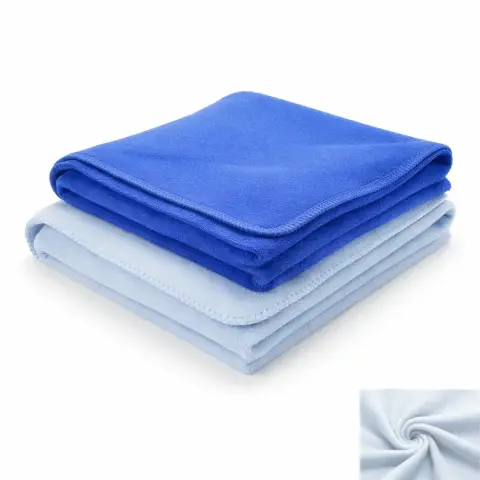
- polyester textiles: sports shirts, towels, cushion covers and fleece blankets made for the process;
- coated ceramic mugs, one of the most common sublimated promotional items;
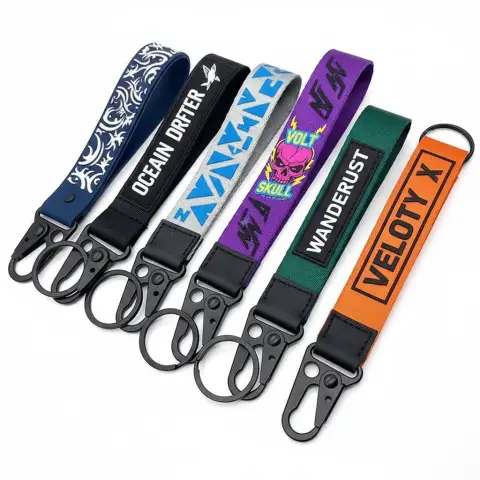
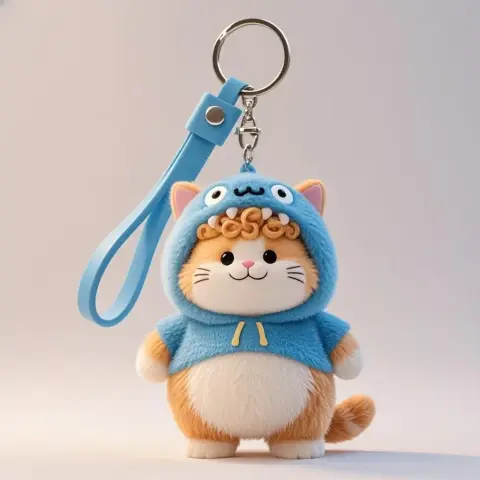
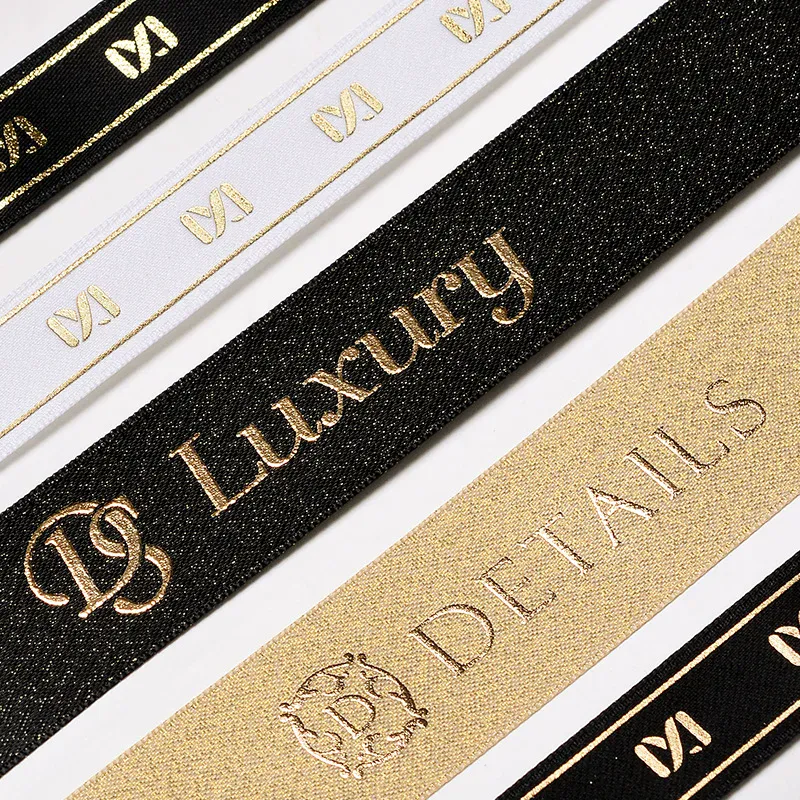
- mouse mats, flags and lanyards with polyester surfaces;
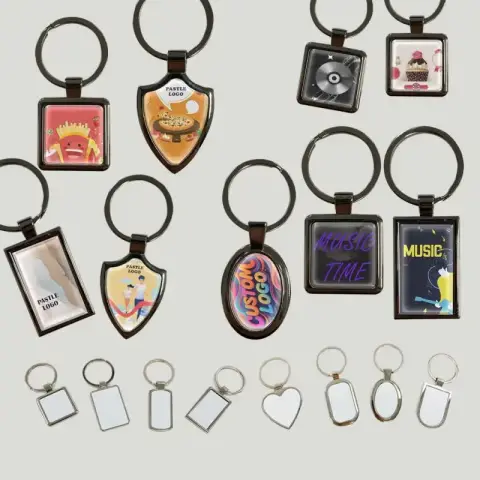
- coated metal or hardboard items where the product listing names sublimation.
Cotton, dark fabrics and uncoated surfaces do not take sublimation ink properly. For those we would suggest DTF printing, screen printing or, on ceramics, a decal.
Pros and cons
The main advantage is freedom: gradients, photographs and all-over patterns are as easy as a simple logo, and the print does not crack or peel because it is inside the material. Textiles stay soft and breathable. Sublimation printing services are therefore popular for sportswear, event textiles and full-wrap mugs.
Is sublimation printing expensive? Not necessarily. There are no screens to make, so cost depends mostly on the item and the quantity rather than on the number of colours. The limits are about materials: the base must be white or very light, white cannot be printed as a colour, and slight colour shifts between the screen preview and the final heat-pressed result are part of the process. The proof helps you judge this before the run.
Preparing artwork for sublimation
Raster files are fine here, provided they are high resolution at print size; logos and text are best supplied as vectors (AI, PDF, SVG or EPS). For all-over designs, extend the background beyond the trim edge so no white margins appear. Pantone references help us match brand colours as closely as the material allows. You receive a free digital proof before production, and nothing is printed until you approve it. Our artwork guide has the details, and a quote will show the cost for your quantity.
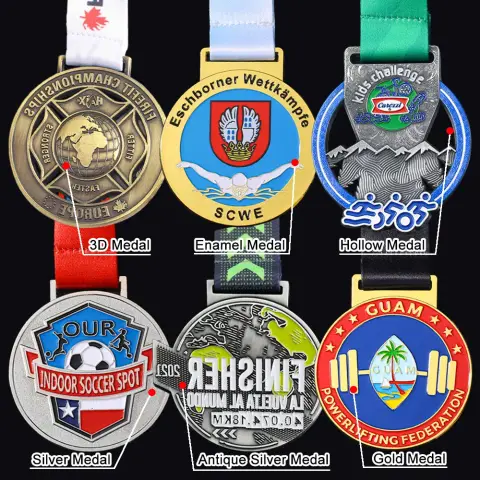
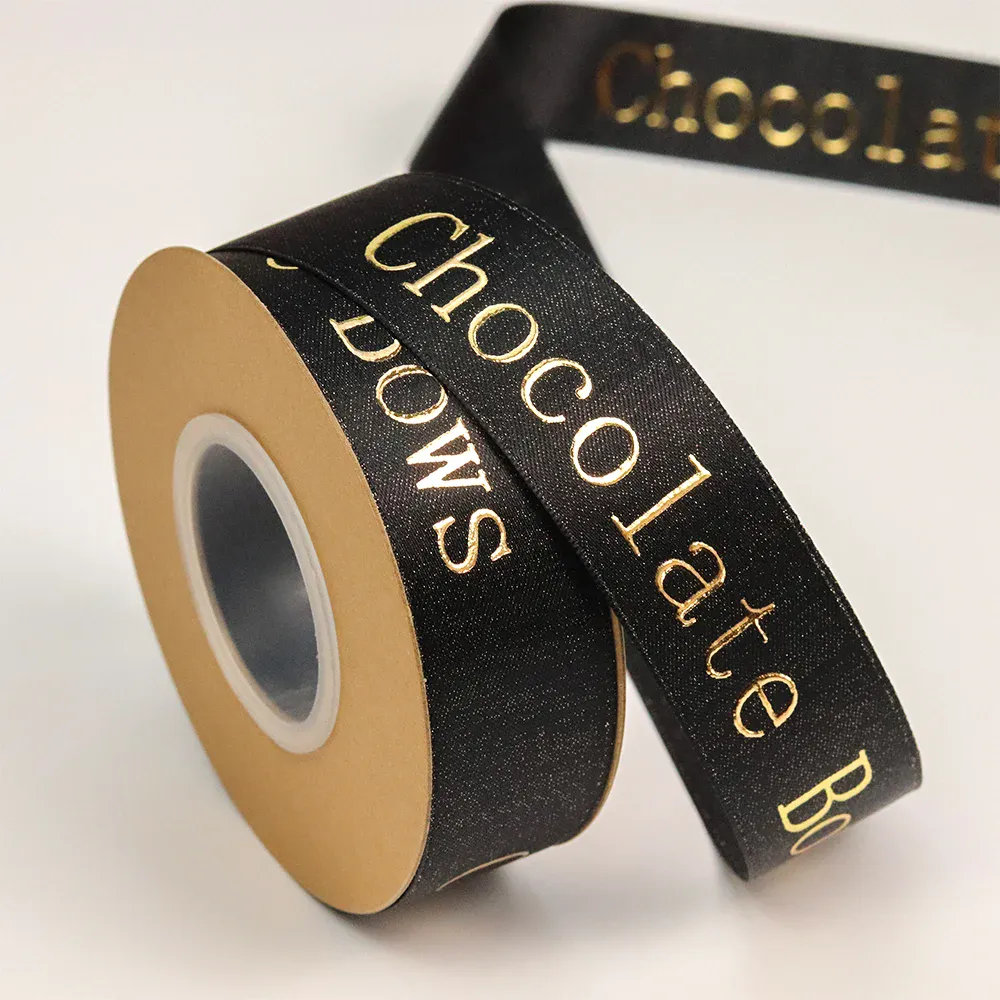
Products suitable for Sublimation Printing

Other branding methods
Printing, engraving or embroidery — we suggest the method that suits the material, quantity and budget.
Free quote
Request a quote
Tell us what you need — products, quantity, deadline and where it should be delivered. We reply with prices including branding and a free mockup.
- Prices including branding
- Free digital mockup
- Delivery across the EU